Having a cesarean section is a big deal. It makes even simple actions like sitting a bit tricky. It’s key to find sitting positions that won’t just be comfy. They should also help you heal properly. If you’re trying to figure out how to sit without hurting your incision, the goal is to ease any pressure there. At the same time, you want to support your body’s healing.
Getting comfy after a C-section means setting things up thoughtfully. You’ll need the right chair and some pillows for extra support. Knowing how often to sit and move can help avoid problems. When you follow these tips, you help your body get back to normal more smoothly.
Listen to your body as it heals. You might want to get back to everyday life quickly, but taking it easy is important. Resting enough and paying attention to the changes in your body matter a lot. How well you follow doctor’s advice on healing, eating right, and keeping your stitch clean affects your healing.
Key Takeaways
- Learn and utilize safe c-section recovery sitting positions to avoid undue pressure on your incision.
- Choose seating that supports good posture and comfortable transitions.
- Incorporate rest and moderate walking for balanced recovery.
- Follow a nutritious diet and proper incision care post-c-section.
- Be mindful of your body and seek medical advice if unusual symptoms appear.
- Place a high priority on both your physical and emotional well-being post-surgery.
Understanding Your C-Section Recovery Process
Recovering from a C-section has its own set of challenges and care needs. Right after the surgery, healing is your main goal. It’s important to change your daily habits to help your body recover.
The First Few Days Post-Surgery
After your C-section, sitting down can feel different. You might find your usual comfortable positions aren’t so comfy anymore. To avoid hurting your belly, sit straight and use pillows for support. It’s a time for patience and moving carefully.
Physical Changes to Expect
Your body will change after a C-section. You’ll notice your scar is sensitive and you may swell. Learning new ways to sit can help you feel better and heal faster.
Importance of Rest
Resting is key to healing after a C-section. Create a calm place where you can relax well. Changing how you sit can also help you rest better and improve healing.
- Choose a chair that supports your back and doesn’t press on your belly.
- Keep water, snacks, and medicine close by to avoid moving too much.
- Use a footrest to elevate your feet and help with swelling.
Keeping these recovery tips in mind will help you heal from your C-section. They simplify the recovery journey, making it easier for you.
Choosing the Right Seating Options
After a C-section, it’s important to find safe and supportive sitting positions. The right chair can ease pressure on your incision and help you heal faster. Let’s look at the best chairs and positions to keep you comfortable and safe.
Pick a chair that keeps your spine naturally curved. A reclining chair is great because you can adjust it to the best angle. It also helps you stand up with less strain on your belly.
Here’s why certain chairs and setups are good for your recovery:
| Feature | Benefits |
|---|---|
| Firm Backrest | Supports lower back and promotes safe sitting positions, reducing the strain on your back. |
| Adjustable Height | Ensures your feet can rest flat on the floor, maintaining proper alignment and balance. |
| Recline Function | Allows adjustments to reduce pressure on the abdominal area and improve comfort while seated. |
| Pillow Support | Using pillows to support your back, arms, and baby can drastically enhance comfort during recovery. |
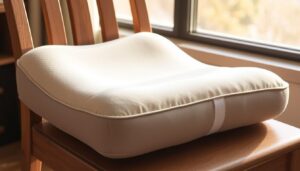
Pillows can also make a big difference in how you sit after your surgery. Put one behind your back to keep your spine right. Pillows on the sides support your arms and shoulders. This helps when you’re holding or feeding your baby, making you more comfortable.
Recliner chairs are highly recommended for post-C-section recovery due to their ability to provide support and comfort. A reclining chair with ample pillows can assist in sleeping upright, which may be necessary during the recovery period. Additionally, a nursing pillow can be beneficial for holding and positioning the baby during feeding sessions, reducing strain on the incision site.
Stay away from low or hard seats. They can make sitting down or standing up hard, slowing down your recovery. Choose seats that are soft and easy to use without adding stress on your body.
By choosing your seats wisely and using the right methods to sit after a C-section, you can make your recovery smoother. Your comfort helps you heal quicker and more effectively.
Proper Technique for Sitting Down
After having a c-section, sitting down right is key for feeling good and healing. In this part, we’ll cover safe methods to sit without harming your incision. It’s important not to strain the healing spot.
How to Lower Yourself Safely
Be careful with every move in the early c-section recovery weeks. Choose a seat that gives full back support. Lower yourself slowly using your arms. Grabbing something like chair arms or a table can help keep you steady. This way, you avoid hurting your belly muscles and reduce pain.
Using Supportive Pillows
Pillows can make sitting more comfy and protect your surgery area. Before sitting, put a pillow or more on the chair for a gentle cushion. This reduces belly pressure. Also, pillows at your back can help you keep a good posture. This supports your spine’s curve, helping avoid back pain.
Healing from a c-section is a personal experience. Using these sitting tips can boost your comfort. Pay attention to your body and change the pillow amount as needed to find the best comfort for you.
Tips for Getting Up from a Sitting Position
Learning how to stand up after being seated is super important during post-c-section recovery. The way you do this affects both your comfort and how well you heal. Here, we’ll look at the best sitting approaches after a c-section. These tips will help you sit and stand comfortably without hurting yourself.

The Rolling Method is a great way to get up. It involves moving from sitting to standing by first rolling to your side. This method is gentle and helps reduce pressure on your stomach, which makes recovery safer.
To use the rolling method:
- Start by moving to the edge of your seat.
- Then, carefully roll to your side without making any sudden moves.
- Push yourself up using your hands.
- When you are on your side, tighten your core muscles a bit to keep stable before standing up fully.
It’s very important to engage your core muscles, but you must do it softly. This helps you balance and stand up without putting too much pressure on your healing cut.
While you may want to quickly get back to doing everyday things after a c-section, being patient is crucial. Move with care at every recovery step, keeping your health in mind. Stick closely to these recovery tips for a smoother healing journey.
Managing Pain and Discomfort While Seated
After a C-section, finding comfy sitting positions is key. This helps with both easing pain and healing. But, how you sit to lessen discomfort goes beyond picking the right chair. You need to include effective pain easing methods into your daily routine.
It’s crucial to use ways that ease pain while sitting. We’ll cover some methods here:
- Maintain slight elevation: Use pillows or a recliner to lift your upper body a bit. This helps lessen pressure on your incision.
- Support your back: A cushion behind your lower back can make your posture better and lower strain.
- Cushion the incision area: Holding a pillow against your belly when getting in and out of a chair can cut down on pain signals.
If you still hurt a lot or the pain gets worse, it’s time to get medical help:
- Increased pain: If your pain management techniques stop working, or if pain suddenly gets worse.
- Signs of infection: More redness, swelling, or discharge from the incision might mean there’s an infection. You’d need to see a doctor.
- General health concerns: If you have symptoms that worry you or seem not right, talk to a healthcare provider.
By following these tips, you can handle your recovery better. Remember, every woman’s recovery is different. Pay attention to what your body needs. Using good pain relief methods will make you more comfy. It will also help your body heal faster.
The Role of Posture in Healing
After a c-section, sitting the right way is very important for your recovery. Keeping a neutral spine helps lessen strain on your surgery area. This aids in healing. It’s also crucial to adjust your sitting as you get more flexible.

For comfy sitting after a cesarean, keeping a neutral spine is key. Here’s how:
- Pick a chair that keeps your spine straight and supports your back.
- Use a cushion or towel at your lower back for extra support.
- Make sure your feet can touch the floor and your knees bend at a right angle.
As you recover, you’ll need to change how you sit for safety and comfort:
- Try sitting on softer chairs that may not be as firm.
- Add gentle sitting exercises to strengthen your core.
- If sitting hurts, go back to positions that offer more support.
Staying comfy after a cesarean means checking and changing your posture as needed. This active approach ensures good alignment. It helps with healing and eases discomfort.
Incorporating Movement into Your Routine
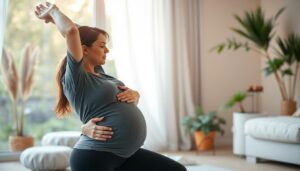
After a c-section, it’s key to find safe ways to move that aid your healing. You need to balance resting with gentle activities that keep the blood flowing but don’t strain your recovery. Here are easy ways to start moving again.
Gentle Stretches While Seated
- Shoulder rolls: Lift your shoulders up towards your ears, then roll them back and down. Repeat to ease tension.
- Neck tilts: Tilt your head gently towards each shoulder. Stay there for a few seconds on each side to reduce neck stiffness.
- Ankle circles: Raise one foot a bit and circle your ankle in both directions. Switch feet after a few circles.
Do these simple stretches many times a day. They keep you flexible while you follow post-c-section recovery advice.
Short Walks to Promote Circulation
When you’re ready, start with short walks around your house. Slowly do more walks for longer as you feel stronger. Walking helps prevent blood clots and eases gas pains, which are common after surgery.
Adding movement, like what’s mentioned here, to your day helps your body heal faster after a cesarean. Even small steps forward are a big part of getting better. Always check with your doctor for advice that fits your own needs and remember these sitting tips after c-section for a smoother recovery.
Seeking Support During Your Recovery
Recovering from a C-section involves both physical care and a strong support network. It’s crucial to have family and friends help with day-to-day tasks. This allows you to focus on resting and healing. You shouldn’t lift anything heavier than 10 to 15 pounds in the beginning weeks. Getting help from those around you is vital for your well-being. It makes becoming a mom a bit easier.
Involving Family and Friends
Finding a good way to sit after a C-section can be tricky. Having loved ones around makes your day easier. They can help with housework and taking care of the baby. This lets you rest more and bond with your baby. Getting this support helps you and your baby feel loved and calm. It also speeds up your recovery.
Professional Help Options Available
Aside from family and friends, experts can be a big help, especially in breastfeeding. Lactation consultants solve common problems like sore nipples or low milk supply. They show you how to breastfeed without hurting your surgery area. Their advice makes breastfeeding work better for you and your baby. Getting help from them is a smart move for a better recovery.