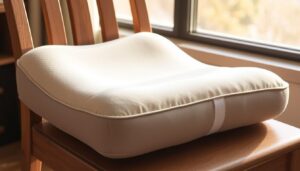
Maintaining overall well-being is crucial in today’s fast-paced world. Daily wellness is not just about treating oneself. It’s about making thoughtful choices that support physical and emotional health.
Enhancing ergonomic health through self-care habits is vital. It’s about creating a balance that fosters a healthy lifestyle. By incorporating simple habits into daily routines, individuals can significantly improve their overall quality of life.
Key Takeaways
- Prioritizing daily wellness is essential for overall well-being.
- Simple self-care habits can significantly improve ergonomic health.
- Thoughtful choices support physical and emotional health.
- Creating a balance is key to a healthy lifestyle.
- Incorporating healthy habits into daily routines enhances quality of life.
Understanding Ergonomic Health and Its Importance
Good ergonomic health stops injuries and keeps us well for a long time. It means making workspaces and tasks easy on our bodies.
What Defines Good Ergonomic Health
A good workspace fits each person’s needs, making them comfortable and safe. This means the right chair height, monitor spot, and keyboard place. When everything fits right, it helps our body stay in its natural shape.
The Connection Between Ergonomics and Overall Wellness
Ergonomics helps keep us healthy by stopping muscle and joint problems. It makes work easier and less tiring. The main parts of ergonomics are comfort, efficiency, and safety. They help make a healthy work place.
Learning and using ergonomics helps us stay well every day. It stops health problems before they start.
The Science Behind Posture and Body Mechanics
Knowing how posture works is key to staying healthy. Our posture and body mechanics are very important. They help us move and feel good every day.
How Poor Posture Affects Your Body Systems
Poor posture can harm many parts of our body. It can make muscles in the back and neck hurt. It can also make it harder to breathe because our chest gets squished.
Poor posture can cause back pain, neck pain, and headaches. This can really hurt our quality of life.
The muscles and bones in our body get out of balance with bad posture. For example, slouching makes our back muscles work too hard. This can make them tired and sore. Good posture is not just about looking right; it’s essential for our body to work well.
Long-term Consequences of Ergonomic Neglect
Ignoring our body’s health can lead to serious problems. These include long-lasting pain and trouble moving. Here are some possible long-term effects of bad posture and ignoring our body’s needs.
| Condition | Description | Impact on Quality of Life |
|---|---|---|
| Chronic Back Pain | Continuous pain in the back due to strain | Reduces mobility and affects daily activities |
| Neck Pain | Pain and stiffness in the neck area | Can lead to headaches and reduced range of motion |
| Respiratory Issues | Reduced lung capacity due to compressed chest cavity | Affects overall energy levels and endurance |
It’s very important to keep good posture and body mechanics. This helps avoid many health problems. By paying attention to our posture and taking care of our body, we can stay healthy.
Assessing Your Current Ergonomic Situation
Checking your workspace and posture can really help your daily wellness. It’s key to spot problems early.
Self-Evaluation Techniques for Posture
First, stand or sit naturally. Look at how your body lines up, especially your head, shoulders, and spine. Use a mirror or ask someone to take a photo from the side.
Make sure your ears are in line with your shoulders. Also, check if your shoulders are relaxed.

Identifying Pain Points and Problem Areas
Look for any spots that hurt or feel uncomfortable. Common spots include the neck, shoulders, lower back, and wrists. Keeping a pain journal can help you see patterns.
Using Technology to Track Posture Habits
There are apps and devices to track your posture. Some apps use your camera, while others connect to wearables. These tools offer insights into your posture habits.
By using self-checks and tech, you can understand your ergonomic situation better. This helps prevent pain and improves self care for ergonomic health.
Creating an Ergonomic-Friendly Workspace
Making your workspace ergonomic can help you feel better every day. It keeps you from getting hurt over time. An ergonomic space is comfy and helps you work better.
Essential Components of an Ergonomic Desk Setup
An ergonomic desk setup is key for good posture and avoiding injuries. Important parts are a comfy chair, a monitor at the right height, and a keyboard and mouse that keep your hands and wrists straight. Having these things right can help your body feel less tired.
- A chair with adjustable height and lumbar support
- A monitor placed directly in front of the user, at a distance of about 20-25 inches, and at a height that allows the user to gaze slightly downward
- A keyboard and mouse that are close to the body and allow for neutral hand and wrist positions
Adjusting Your Chair and Monitor for Optimal Positioning
Getting your chair and monitor right is very important. Your chair should be set so your feet are flat or on a footrest, with knees at or below hip level. Your monitor should be far enough away to avoid glare and reflections, and close enough to read without leaning.
Budget-Friendly Ergonomic Upgrades
You don’t have to spend a lot to make your space ergonomic. Using a document holder to keep papers at eye level can help your neck. A riser or books can also help if you can’t get a monitor arm. Even small changes, like moving things to avoid stretching, can help a lot.
By making these changes, you can make your workspace better for your health. It will make you feel better and work better too.
Proper Sitting Techniques for Prolonged Desk Work
Good sitting posture is key for those who work long hours at a desk. Using the right sitting techniques can lower the risk of muscle problems. It also makes sitting more comfortable.
The 90-90-90 Rule Explained
The 90-90-90 rule helps you sit right. It says your knees, hips, and elbows should be at or below 90 degrees. This keeps your body aligned and less strained.
By following this rule, you can reduce the risk of pain and discomfort from sitting too long.
Dynamic Sitting Strategies
Dynamic sitting means making small changes in your sitting position all day. You might shift your weight, adjust your chair, or change your monitor’s angle. Dynamic sitting strategies help avoid getting stuck in one position and improve blood flow.
Transitioning Between Sitting and Standing
Switching between sitting and standing is good for your health. Using a sit-stand desk or converter lets you move between positions. This helps with better posture and less muscle tiredness.
Ergonomic experts say, “Switching between sitting and standing all day boosts your ergonomic health.”
Adding these sitting techniques to your daily work can improve your posture support. It also helps with pain prevention and self care for ergonomic health.
Self-Care for Ergonomic Health in Daily Activities
Ergonomic health is more than just work. It’s about how we live every day. Taking care of ourselves in daily life helps keep us healthy. Being mindful of our posture and habits can prevent pain.
Morning Routines That Support Good Posture
Starting the day right can make a big difference. Try stretching or deep breathing in the morning. Even simple tasks like brushing teeth can help if done with good posture.

Ergonomic Considerations for Household Tasks
Tasks like cleaning can hurt our bodies if not done right. Use ergonomic tips like lifting safely and taking breaks. For example, bend at the knees when lifting to avoid back pain.
Maintaining Proper Form During Recreational Activities
Playing sports or hiking needs the right form to avoid injuries. Make sure gear fits, warm up, and watch your body position. This keeps you safe and happy.
Adding these self-care steps to our daily lives boosts our health. It leads to a better life and long-term well-being.
Mom Self-Care: Ergonomic Practices for Parents
Putting mom self-care first through ergonomic practices helps a lot. Moms do a lot, so staying healthy is key. It helps them take care of their kids better.
Ergonomic Tips for Childcare and Nursing
Good posture is important for childcare and nursing. When breastfeeding, sit right with back support. A nursing pillow helps keep you comfy.
When bathing or dressing kids, keep things close. This avoids bending and stretching too much.
Preventing Strain While Carrying Children
Carrying kids can hurt if not done right. Use the right lifting ways. Bend at the knees and keep the child close.
Baby carriers or slings spread out the weight. This eases back and shoulder pain. Switch sides often to avoid uneven strain.
Recovery Techniques for Parenting-Related Strain
Even with care, strain can happen. It’s important to recover well. Gentle stretches help the back and shoulders.
Heat or cold packs can also help. Regular exercise makes you stronger. This lowers the chance of getting hurt.
Using these ergonomic tips daily makes moms feel better. It boosts their self-care and health.
Effective Pain Prevention Strategies for Common Problem Areas
It’s key to prevent pain and keep well every day. Good pain prevention helps us stay healthy and productive. It’s all about taking care of ourselves.
Addressing Neck and Shoulder Tension
Many people get neck and shoulder pain from sitting too much. Keeping good posture and stretching often helps. Also, make sure your workspace is set up right for your body.
Doing simple moves like shoulder rolls and neck stretches can help. Try rolling your shoulders or tilting your head to ease tension.
Lower Back Pain Prevention Techniques
Lower back pain is common. But, you can fight it with the right moves. Doing exercises like planks and bridges strengthens your back.
Be careful when lifting things to avoid hurting your back. And, using the right chair can also help a lot.
Wrist and Hand Care for Digital Device Users
If you use devices a lot, taking care of your wrists and hands is important. The 20-20-20 rule helps your eyes and wrists. It means looking away from screens every 20 minutes for 20 seconds.
Using the right keyboard and mouse helps too. And don’t forget to stretch your wrists and hands often.
| Area | Pain Prevention Strategies | Benefits |
|---|---|---|
| Neck and Shoulder | Proper posture, regular stretching, ergonomic workspace | Reduced tension, improved comfort |
| Lower Back | Core strengthening, mindful lifting, ergonomic furniture | Less strain, better support |
| Wrist and Hand | 20-20-20 rule, ergonomic devices, regular stretching | Reduced strain, improved dexterity |
Adding these strategies to your daily life can really help. It makes your self-care better and keeps you feeling good every day.
Stretching Routines for Ergonomic Maintenance
Stretching is key for keeping your body healthy. It helps your posture and reduces muscle tightness. Adding simple stretches to your day can boost your daily wellness and self care for ergonomic health.

Desk-Based Stretches for Immediate Relief
Stretches at your desk help when you work long hours. Neck stretches, shoulder rolls, and wrist extensions ease tension and boost blood flow. For example, a simple neck stretch is tilting your head to one side, holding for 30 seconds, then switching sides.
- Neck Stretch: Slowly tilt your head to one side, bringing your ear towards your shoulder.
- Shoulder Rolls: Roll your shoulders forward and backward in a circular motion.
- Wrist Extensions: Gently lift your hands with palms facing down and then lift your fingers up.
Daily Stretching Routine for Long-Term Posture Support
Stretching every day helps keep your posture right. It includes morning stretches to wake up your body and evening stretches to unwind.
Morning Activation Stretches
Morning stretches wake up your muscles. They get you ready for the day. Examples are:
- Cat-Cow Stretch: Makes your spine more flexible.
- Chest Opener: Stand with feet apart and hands behind your back.
“Stretching in the morning can set a positive tone for the day, improving your posture and reducing the likelihood of back pain.”
Evening Recovery Stretches
Evening stretches help your body relax. Key ones are:
- Hamstring Stretch: Sit on the floor with legs out, lean forward to touch your toes.
- Quad Stretch: Stand on one leg, pull the other back towards your buttocks.
Adding these stretches to your day improves your ergonomic health. It helps prevent pain and boosts your daily wellness.
Strengthening Exercises for Core and Postural Muscles
To keep your posture right and avoid injuries, you need to work on your core and postural muscles. These muscles are key to staying healthy and pain-free. A good exercise plan can make your posture better, reduce muscle tiredness, and boost your health.
Essential Core Exercises for Posture Support
The core muscles, like your abs and lower back, are very important for good posture. You can make these muscles stronger with exercises like:
- Planks: Hold a plank for 30-60 seconds to work your core.
- Bridges: Lie on your back, bend your knees, and lift your hips up.
- Pelvic tilts: Stand against a wall, tilt your pelvis up, and then go back down.
Upper Back and Shoulder Strengthening
The muscles in your upper back and shoulders also help with good posture. Try these exercises to strengthen them:
- Rows: Use a band or light dumbbells for rows to work your upper back.
- Shoulder blade squeezes: Sit or stand with your arms down, then squeeze your shoulder blades together.
- Scapular push-ups: Start in a plank, lower your body, and push back up.
Doing these exercises often will make your posture muscles stronger.
Progressive Training for Postural Endurance
To keep your posture strong over time, add progressive training to your routine. This means making your workouts harder or longer as you get stronger. For example, you can:
- Do more reps or sets of exercises.
- Use heavier weights or bands.
- Hold planks or isometric exercises for longer.
Progressive training will keep challenging your muscles and improve your posture.
As Dr. Kelly Starrett, a renowned physical therapist, once said,
“The key to maintaining good posture is to have a strong and stable core, as well as flexible and strong shoulders and upper back.”
By focusing on exercises for your core and postural muscles, you can stay healthy and avoid pain.
Ergonomic Tools and Supports Worth Investing In
The right ergonomic tools can really help your daily life. More people work from home or offices now. It’s key to have the right ergonomic supports.
It’s not just about feeling comfy. It’s about avoiding harm and feeling better overall.
Evaluating Ergonomic Products: What Actually Works
Choosing ergonomic products needs careful thought. What’s good for one might not be for another. For example, a standing desk is great for those who move a lot. But, an ergonomic keyboard is better for those who type a lot.
A study shows that ergonomic tools can really help. They can lower the risk of injuries at work.
“Ergonomic interventions can significantly reduce the risk of work-related musculoskeletal disorders,” according to the Occupational Safety and Health Administration (OSHA).
This shows why picking the right tools is so important.
Must-Have Ergonomic Supports for Different Environments
Different places need different ergonomic tools. In an office, a good chair and a monitor riser are key. At home, a laptop stand and an external keyboard are better.
| Environment | Must-Have Ergonomic Supports |
|---|---|
| Office | Supportive chair, monitor riser |
| Home | Laptop stand, external keyboard |
| Gaming | Ergonomic gaming chair, customizable keyboard |
Customizing Tools to Your Specific Needs
It’s important to make ergonomic tools fit your needs. This might mean changing the height of your chair or monitor. Or picking a keyboard that fits your typing style.
Key things to think about when customizing include:
- Adjustability
- Comfort
- Needs based on your work or activities
By choosing the right ergonomic tools, you can greatly improve your health and well-being.
Mindfulness Practices for Body Awareness and Posture
Mindfulness can make a big difference in how we feel and move. It helps us know our body better and stay in good posture.

Mindfulness is more than a practice. It’s a way to care for ourselves every day. It makes us more aware of our body and what it needs.
Doing mindfulness exercises regularly can help us stand taller and feel less tense. It also makes us feel better overall.
Body Scanning Techniques
Body scanning is a mindfulness technique. It’s about paying attention to our body, starting from our toes and going up to our head. This helps us find and release tension, improving our posture.
To do body scanning, sit or lie down comfortably. Focus on each part of your body, letting go of tension as you breathe out.
Mindful Movement Throughout the Day
Mindful movement makes our daily activities better for our body. It’s about being aware of how we move and choosing to move well, whether sitting, standing, or walking.
Even small actions, like deep breathing before work, can help prevent pain and improve our well-being.
Breathing Exercises for Tension Release
Breathing exercises are great for relaxing and improving posture. Deep, slow breathing relaxes muscles, lowers stress, and increases body awareness.
To do breathing exercises, sit up straight. Breathe in deeply through your nose, hold it for a few seconds, and then breathe out slowly through your mouth. Do this a few times, focusing on your breath.
Adding these mindfulness practices to our daily lives can greatly improve our self care for ergonomic health. It helps us stay well every day.
Incorporating Movement Breaks into Your Daily Wellness Routine
Moving around is key for good health and feeling well. It stops pain from sitting or standing too long. Simple exercises and stretches can make you feel better and avoid injuries.
The 20-20-20 Rule for Digital Eye Strain
The 20-20-20 rule helps your eyes. Look away from screens every 20 minutes. Look at something 20 feet away for 20 seconds. This cuts down eye strain and keeps your eyes healthy.
Microbreak Exercises for Busy Professionals
Busy people can use microbreak exercises. You can do shoulder rolls, wrist extensions, and toe taps at your desk. They’re quick and help a lot.
| Exercise | Duration | Benefits |
|---|---|---|
| Shoulder Rolls | 30 seconds | Relieves tension, improves posture |
| Wrist Extensions | 15 seconds per hand | Reduces wrist strain, improves flexibility |
| Toe Taps | 30 seconds | Improves circulation, reduces leg fatigue |
Setting Up Movement Reminders and Cues
Don’t forget to move with reminders. Use a fitness tracker or app to remind you. Sticky notes on your computer can also help.
Adding these tips to your day improves your health. It reduces pain and boosts your overall wellness.
Ergonomic Considerations for Sleep and Rest
Sleep and rest are key for ergonomic health. They help our bodies recover from daily activities. Bad sleep habits can cause musculoskeletal problems.
Optimal Sleeping Positions for Spinal Health
Keeping your spine neutral while sleeping is important. Sleeping on your back with a pillow under your knees helps your spine. Side sleepers should use a pillow between their knees to align hips and reduce spine pressure.
Selecting Supportive Pillows and Mattresses
Choosing the right pillow and mattress is essential for good sleep. A supportive mattress keeps your spine’s natural curve. A pillow that aligns your head and neck with your spine prevents strain. Here are some tips for picking ergonomic pillows and mattresses.
| Product | Ergonomic Feature | Benefit |
|---|---|---|
| Mattress | Supportive Core | Maintains Spinal Alignment |
| Pillow | Contour Design | Aligns Head and Neck with Spine |
Pre-Sleep Routines for Muscular Recovery
Having a pre-sleep routine helps muscles recover. Gentle stretching, meditation, or a warm bath relaxes muscles. Also, avoid screens before bed to sleep better.
By adding these ergonomic tips to your daily life, you can improve your health. This helps with overall wellness and prevents pain.
Conclusion: Building a Sustainable Ergonomic Self-Care Practice
Creating a regular self-care routine is key for good health and happiness. By using the tips from this article, you can lower the chance of feeling sore or uncomfortable. This helps make your daily life better.
It’s very important to take care of your body, especially if you have a busy life. This is true for parents who need to take care of themselves too. Making self-care a regular part of your life can make you feel better overall.
Being consistent is the secret to a good self-care routine. Doing regular stretches, strengthening exercises, and moving mindfully helps keep your body right. This way, you can avoid getting hurt.
Adding these habits to your daily routine can make a big difference. You’ll feel better and be healthier. Taking care of your body is a smart choice for a happy and healthy life.
FAQ
What is the importance of self-care in maintaining ergonomic health?
Self-care is key for ergonomic health. It stops injuries, keeps you comfortable and productive. It also boosts your overall well-being. By focusing on self-care, you can lower the chance of musculoskeletal disorders and live better.
How can I assess my current ergonomic situation?
Check your posture and find pain points to assess your ergonomic situation. Use tech to track your posture habits. This helps you find areas to improve and adjust for better health.
What are the essential components of an ergonomic desk setup?
A good desk setup has a comfy chair and monitor. Your keyboard and mouse should be easy to use. Add ergonomic tools like a standing desk or document holder for better posture.
How can I prevent strain while carrying children?
Use the right lifting techniques to avoid strain. Take breaks to stretch and rest. Use baby carriers or slings to spread out the weight. Keep good posture and use your core to support your back.
What are some effective pain prevention strategies for common problem areas?
o prevent pain, stretch and strengthen your neck and shoulders. Use proper lifting to avoid back pain. Take breaks to stretch your wrists and hands.
How can I incorporate stretching routines into my daily wellness routine?
Start with desk stretches for quick relief. Then, do daily stretches for specific muscles. Set reminders or plan stretching sessions in your planner.
What are some essential core exercises for posture support?
Do planks, bridges, and pelvic tilts to strengthen your core. These exercises support your spine and improve posture. Add them to your workout routine to reduce back pain.
How can I customize ergonomic tools to my specific needs?
Choose ergonomic products that fit your height, body, and work style. Look for adjustable items like chairs with lumbar support.
What are some mindfulness practices that can improve body awareness and posture?
Try body scanning, mindful movement, and breathing exercises. These practices enhance body awareness and posture. Add them to your daily routine to prevent musculoskeletal disorders.
How can I prioritize movement breaks into my daily wellness routine?
Use the 20-20-20 rule for eye health. Take microbreaks to stretch and move. Set reminders for regular breaks. Include physical activity like walks or jogs in your day.
What are some ergonomic considerations for sleep and rest?
Sleep in a position that supports your spine. Choose supportive pillows and mattresses. Have a relaxing bedtime routine to improve sleep quality.
How can I build a sustainable ergonomic self-care practice?
Make self-care a habit by adding ergonomic principles to your daily routine. Set reminders, schedule stretching, and adjust your workspace for better posture and health. ERGONOMIC Definition & Meaning – Merriam-Webster