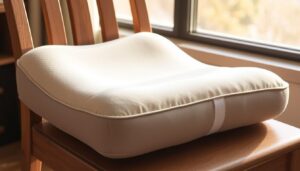
When you hold your newborn, the world feels different. It becomes filled with the softness of baby skin and quiet moments. However, in these early days, your body starts to communicate in its own way. This is often overlooked due to new duties. Postpartum recovery ergonomics focuses on proper body alignment and embracing practices that respect your physical journey.
Your body, amazing in its resilience, has changed in ways only a mother knows. It keeps changing, now looking for comfort in small adjustments. Recovery support pillows for moms play a big role here. The choices you make in ergonomic solutions for postnatal discomfort can influence how your body heals. They affect how you move and thrive during this intense and loving time of motherhood.
The time after birth is a blend of caring and self-care. Every action can help with healing. Adopting an ergonomic approach is key. This ensures that while you care for your baby, you also look after your body. It’s about combining the care of both your well-being and your child’s. This is weaved into your daily life of taking care of your new baby.
We want to show you the basics of postpartum recovery ergonomics for moms. We’ll offer strategies to help you find comfort again. These tips will create a space where both you and your baby can grow well together.
Key Takeaways
- Understanding the importance of postpartum recovery ergonomics and its broader impact on your healing journey.
- Identifying practical ergonomic solutions for postnatal discomfort tailored for postpartum mothers.
- Learning how recovery support pillows for moms and other ergonomic tools can elevate your comfort and recovery process.
- Implementing ergonomic practices that correspond with your body’s new requirements while ensuring a safe, nurturing environment for your baby.
- Adopting a self-care regimen that highlights the value of your health and well-being in the incredible role of motherhood.
Understanding Postpartum Ergonomics
Entering the postpartum phase changes how you do daily tasks. It affects your recovery and health. Postpartum ergonomics is about making your surroundings and activities better for your body after having a baby. It helps you feel more comfortable and prevents pain and injury. Let’s look closely at what postpartum ergonomics is and why it’s great for new moms.
Defining Postpartum Ergonomics
Postpartum ergonomics uses special ergonomic principles for new mothers. It’s about arranging your physical activities and place to promote good posture, reduce pain, and help the body heal. Learning how to sit comfortably after birth and how to improve posture after pregnancy are key parts of this. They help you heal better and faster.
Benefits of Ergonomic Practices After Childbirth
Using ergonomic practices after having a baby helps your well-being. Let’s look at some benefits:
- Reduction of back pain: Ergonomic practices greatly lower your chance of getting lower and upper back pain, which is common after having a baby.
- Improved posture: Ergonomics teaches you to keep good posture. This is important for easing stress on your spine as you recover from pregnancy and childbirth.
- Enhanced overall health: Improving postpartum health with ergonomics not only helps your body but also makes you more comfortable. This helps reduce the stress of caring for a newborn.
By adding these ergonomic ideas into your life, you make your time after childbirth as cozy as can be.
Optimizing Your Sleep Environment for Postpartum Recovery
For new mothers, especially after a cesarean section, a good sleep setup is key. An ergonomic setup does more than add comfort. It also helps you heal faster and adjust to motherhood better. So, let’s talk about improving your bedroom to support your recovery and health.
Best Mattress and Pillow Setup
Choosing the right mattress and pillows is vital for comfort after having a baby. A firm mattress gives your body the support it needs, particularly important for sitting comfortably after birth. Also, look for special pillows that fit your body’s needs now, like those that help with c-section recovery posture.
Posture for Healing During Sleep
Sleep posture is key for postpartum healing. For back sleepers, a pillow under the knees can reduce stress on healing areas. If you sleep on your side, putting a pillow between your knees helps keep your hips lined up. This can take pressure off your lower back. Important for recovery, especially after a c-section.
- Back Sleepers: Use a pillow under the knees to support lower back alignment.
- Side Sleepers: Position a pillow between the legs to maintain hip and spine alignment.
Making these adjustments can greatly improve your recovery after childbirth. With the right support from mattresses, pillows, and sleep postures, your journey can be more comfortable and healing.
Ergonomic Breastfeeding and Bottle Feeding Setups
It’s important to have an ergonomic setup for breastfeeding and bottle feeding. This keeps your posture right and prevents muscle pain. An ergonomic breastfeeding setup and the right nursing pillow support lessen discomfort. They help avoid back pain while you nurse.
If you’re a new mom or have been caring for children for a while, a nursing pillow is a big help. These pillows give your arms and shoulders a break by spreading out your baby’s weight. This makes your posture better and lowers the risk of back pain.
- A side-lying position is good for night feeds. You and your baby face each other, with pillows for support.
- The reclined position, or the laid-back breastfeeding method, is comfy. Your baby lies on you while your back is propped up. It shows how a relaxed setup is key for ergonomic breastfeeding.
For those who bottle-feed, the setup changes a bit but is just as key. Being comfy with good back support makes a big difference:
- A pillow can lift your baby up, so you don’t have to bend or lean. This is vital to avoid back pain.
- Choose a chair that supports your back or use extra cushions to stay upright.
The right environment helps your physical health and makes feeding times better for you and your baby. Pick an ergonomic setup that meets your needs. Taking care of yourself is a big part of a happy and long breastfeeding journey.
Postpartum Work From Home Ergonomics
Making your home office mom-friendly is key for your health and getting work done. It’s smart to use ergonomic advice daily to stay comfy and keep your baby happy.
Consider how your home office setup affects your health. Picking an ergonomic chair and a desk at the right height helps. Your monitor should be eye-level to avoid neck pain.
Ergonomics isn’t just about furniture. Managing your time well matters too for new moms. Break your workday into pieces. Short breaks let you do helpful exercises. Stuff like deep breathing strengthens your core, and pelvic tilts eases back tension. Try knee rocking to loosen your hips, which is great after having a baby.
Easy tips for your daily routine include:
- Set your chair and desk so your legs and arms are at right angles when you use them.
- Take at least a five-minute break each hour for stretching or a quick exercise.
- Remind yourself to do three different exercises a day to help with blood flow and relax muscles.
These ergonomic tips help you heal and stay productive at home. A good home office and a planned schedule reduce stress for new moms. This lets you spend more time with your baby and less time feeling uncomfortable.
Postnatal Body Posture Support Tools
Getting your body posture right after having a baby is key to your health. The correct postpartum body posture support tools make becoming a mom easier. Things like best recliners for postpartum and ergonomic baby carriers help you heal. They also make sure you’re comfy as you start this new chapter.
Improving mom posture after pregnancy does more than solve short-term discomfort. It helps prevent long-term pain. The market is full of products made just for new moms. Let’s look at the top-recommended tools that bring support and ease during this recovery phase.
| Product Type | Description | Benefits |
|---|---|---|
| Ergonomic Recliners | Recliners designed to provide optimal support during feeding and rest times. | Helps maintain a neutral spine position, reducing the risk of back pain. |
| Belly Bands | Elastic bands that offer abdominal and back support by evenly distributing weight. | Encourages proper posture, supports the lower back, and helps in abdominal muscle recovery. |
| Posture Corrector | Wearable device that encourages proper spine alignment. | Assists in developing muscle memory for correct posture, enhances comfort during physical activities. |
Choosing the best recliner for postpartum or any support tool means thinking about what feels good for you. It also means considering what you need after having a baby, and what doctors suggest. Using these tools right can make a big difference in how you feel every day. It lets you look after your baby and take care of yourself too.
Postpartum Recovery Ergonomics: Exercises and Activities
Starting your journey after giving birth needs patience, care, and the right exercises. Exercises focusing on postpartum ergonomic exercises and ergonomic baby care for new mothers help new moms adjust. They boost the body’s healing.
Choosing safe postpartum ergonomic exercises helps strengthen your core and pelvic muscles. These are key for recovery and overall health. Practices like deep breathing, pelvic tilts, and gentle stretches can be part of your daily life.
Also, proper ergonomic baby care for new mothers stops extra strain. It includes smart ways to do daily tasks, like breastfeeding or using a baby carrier. These steps keep you and your baby comfy and supported.
| Exercise | Description | Benefits |
|---|---|---|
| Diaphragmatic Breathing | Breathing deeply through the diaphragm to engage core muscles. | Improves oxygen flow and aids in core stabilization. |
| Pelvic Tilts | Gentle rocking motion of the pelvis while lying down to strengthen lower back. | Enhances lower back strength and flexibility. |
| Cat-Cow Stretch | Alternating between arching and rounding the back while on hands and knees. | Increases spine mobility and relieves tension. |
Adding these postpartum recovery tips to your routine can speed up your recovery. They also make life better for new moms.

Navigating Outdoor Activities: Strollers and Carriers
Stepping outside with your baby is good for your health and happiness. Finding the right stroller or carrier is key. You want one that supports your body after giving birth and keeps you standing tall.
When picking a carrier, look for a wide, padded waistband. It should spread the baby’s weight evenly, helping your posture. It’s also important that the straps can be adjusted. This lets your core carry the weight, easing the load on your back and shoulders.
Choosing Ergonomic Baby Carriers
- Look for carriers that offer lumbar support.
- Choose designs that distribute baby’s weight evenly to avoid back strain.
- Adjustability is crucial — shoulder and waist straps should allow for a custom fit that suits your postpartum body.
Ergonomic Tips for Using a Stroller
Pick a stroller with the right handle height for you. It should let you walk upright easily. Also, find one that’s easy to push without much effort. This way, you use your body weight to move the stroller, not just your arms.
- Adjust the handle to match your natural stance.
- Choose a stroller that moves smoothly and requires less force to maneuver.
- Ensure the stroller has a locking mechanism on the wheels for added safety and stability when needed.
By keeping these points in mind, you’ll make your time outdoors more comfortable. Enjoying these moments without strain is possible with the right gear.
Ergonomic Solutions for Lifting After a C-Section
Recovering from a c-section can be hard, especially with lifting your baby. Lifting after c-section focuses on lowering pain risk and helping heal. Here are some ways to lift more easily and safely.
To lower discomfort, it’s key to know the right posture. Engage your core gently and breathe out as you lift. Keep the baby close to avoid strain. Here’s how to do safe ways to lift baby after c-section:
| Technique | Description | Benefits |
|---|---|---|
| Staggering Legs | Place one foot forward while lifting to distribute weight evenly. | Reduces lower back strain |
| Foot on Stool | When lifting from a crib, rest one foot on a stool to elevate the hip and reduce bend. | Preserves spinal alignment and lowers stress on the abdomen |
| Knee Bend | Bend at the knees, not waist, to pick up anything from the floor. | Protects incision area and employs leg rather than back muscles |
| Close Hold | Keep the baby close to your chest before lifting. | Engages core muscles and ensures baby’s safety |
Using these postpartum ergonomics tips can make baby care more comfy for you. It also keeps your baby safe and close. Always move carefully and listen to what your body says to prevent too much strain while you get better.
Managing Postpartum Back Pain with Ergonomic Practices
New moms often face the challenge of postpartum back pain. Using ergonomic practices can ease this pain and boost wellbeing. It matters how you sit and nurse your baby for long-term health.
Knowing good postures can greatly ease postpartum back pain relief. It’s key to keep your ears, shoulders, and hips straight when you sit or stand. Such small changes can greatly lessen spine strain. Also, learning how to sit comfortably after birth keeps extra stress off your back.
Remember, taking care of your back is just as important as taking care of your baby.
Ergonomic tools are a must for ergonomic baby care for new mothers. Adjustable chairs and supportive pillows help you keep the right posture when you feed or hold your baby. A footrest lessens strain when sitting and makes it easier to get up without hurting your back.
- Regularly check and adjust your posture
- Use ergonomic tools like supportive chairs and footrests
- Practice gentle stretches designed for postpartum recovery

Making these practices part of your day can bring relief and speed up recovery. Ergonomic care isn’t only for managing pain but also for preventing it. With proper knowledge and tools, you can embrace this new stage of life more comfortably.
Ergonomic Tips for Bath Time and Diaper Changes
Using ergonomic solutions after childbirth can make your daily tasks easier. It helps if you know the correct way to lift and bend. Plus, an organized space at your diaper changing station can lower the chance of injuries. And it can make neck and shoulder pain better after having a baby.
Safe Lifting and Bending Techniques
Good posture is crucial when bathing your newborn or picking them up. Always lift with your legs rather than your back. This avoids strain and keeps your spine healthy. Here are easy tips to follow:
- Bend at your knees and squat to your baby’s level instead of bending over the tub.
- Keep your back straight and your baby close to your chest while lifting.
- Avoid twisting your body when holding your baby. Turn your entire body instead to keep your spine safe.
Organizing the Diaper Changing Station
Setting up your diaper changing station to reduce strain is key. Having everything within reach prevents neck and shoulder pain. Here’s a quick guide to create an ergonomic diaper changing spot:
| Item | Placement Tips |
|---|---|
| Changing Pad | Keep it at waist height to avoid bending over. |
| Diapers, Wipes, and Creams | Keep what you use most within easy reach, at the front. |
| Trash Bin | Put it close so you don’t step away from the station to throw something away. |
| Extra Clothing | Have a change of clothes nearby for quick changes after accidents. |
Putting these ergonomic tips into practice helps your postnatal recovery. They make your daily routine more comfortable. And they boost your overall well-being after childbirth.
Improving Postpartum Health with Ergonomics
Improving postpartum health with ergonomics is vital for new moms. It helps them regain strength and recover well after childbirth. By following ergonomic tips, new moms can improve their posture and boost overall well-being.
One key factor is adopting healthy posture habits. For instance, when sitting with your baby, make sure your ribs are above your pelvis. This aligns your spine properly, helping to keep your pelvic area healthy and comfortable.
Ergonomic tips also include changing how you get out of bed to ease stress on your body. Instead of sitting up directly, roll to your side and use your arms to push up. This method lessens stress on your abdomen and pelvis, aiding in a smoother recovery.
Knowing how to lift properly is crucial for maintaining good posture post-pregnancy. When lifting anything, bend your knees and lower yourself to the object’s level, keeping your back straight. Rotate your feet towards your destination before lifting. This technique protects you from injuries by using your legs’ strength.
When holding your newborn, avoid curving your lower back or tilting your pelvis. Keep a neutral pelvic position, hold your baby close, and balance your weight on both feet. Following these tips will help you improve your health with ergonomics and handle physical tasks more easily.
Implementing ergonomic practices daily is essential for new moms. It promotes quicker recovery and ensures lasting health and comfort. By adopting these ergonomic strategies, you can manage postpartum health effectively. This will help you maintain good posture and body mechanics during the challenging early months of motherhood.
The Role of Ergonomic Products in Easing Postpartum Discomfort
After you give birth, your body needs time to heal and get used to its new normal. Ergonomic products help make this easier by providing the comfort and support you really need. With everything from ergonomic seating for nursing to recovery support pillows for moms, they’re made to help you during your postpartum period.
These tailored solutions can ease common issues such as postpartum pain relief. They make sure you can enjoy your newborn’s precious moments in comfort.
Ergonomic Seating Options for Nursing
Choosing the right chair for nursing can change a lot. Look for ergonomic chairs that support your back, arms, and neck. This helps reduce strain during feedings. Features like adjustable heights and backrests add to your comfort, making nursing nicer.
Recovery Support Pillows and Their Uses
Recovery support pillows for moms are key for targeted support, whether you’re nursing or resting. These pillows have shapes that support proper posture. This eases back and neck strain.
| Product | Features | Benefits |
|---|---|---|
| Ergonomic Nursing Chair | Adjustable height, padded backrest | Supports back and neck during nursing, promotes ideal posture |
| Recovery Support Pillow | Contoured design, versatile use | Alleviates pressure points, can be used in various seating arrangements |
Buying these ergonomic products helps your comfort and aids a smoother recovery after childbirth. Using items like adjustable nursing chairs and designed pillows provides support and relief, helping you through motherhood’s important phase.
Adapting Household Chores to Your Postpartum Body
After giving birth, finding ergonomic solutions for postnatal discomfort can really help. We’ll show you how to change your chores to reduce pain and help healing. This includes better ways to cook, clean, and do laundry, by using ergonomic tools for new mothers.
Knowing the right ways and tools makes you comfortable and helps heal. We will explore how to rearrange your chores to help your body heal after childbirth.
Strategies for Safe Cleaning and Cooking
It’s important to adjust your cleaning and cooking ways after having a baby. By using simple ergonomic tweaks, you can keep doing these important tasks safely. You might want to:
- Use tools with long handles to avoid too much bending and stretching.
- Have an ergonomic kitchen where everything is easy to reach.
- Use mats that reduce fatigue when standing to cook or do dishes.
Modifying Laundry Tasks for Comfort
Changing how you do laundry can also protect your body after having a baby. These changes can help avoid back pain. Try these tips:
| Task | Traditional Method | Ergonomic Alternative |
|---|---|---|
| Loading Washer/Dryer | Bending or squatting to front-load machines | Using raised, front-loading appliances to limit bending |
| Folding Clothes | Folding clothes on low surfaces | Using a high table or counter to fold clothes while standing |
Changing these daily chores helps your recovery and makes sure your home runs well. Using these ergonomic solutions reduces injury risk, making recovery safer and more comfy.
Conclusion
On your path to motherhood, knowing about postpartum ergonomics can really help you heal and feel comfortable. It’s about setting up your space and using products that help your body recover. We’ve looked at how to arrange your sleep area, make feeding work for you, and adapt your home office for your new life, focusing on gentle, effective care after birth.
Great ergonomic tips for new moms have been shared. They make personal care easier and turn chores into chances for healing movement. Following these tips can lessen your pain and make your home more loving for you and your baby. Remember, using ergonomic practices helps keep you well, giving you the strength and health to enjoy being a mom.
As a new mom, you have to figure out lots of advice, but postpartum ergonomics gives you a strong base. It supports you and your baby’s bonding. Ergonomic products are more than tools; they help make a cozy, functional space for you both to thrive.
FAQ
What is Postpartum Ergonomics?
Postpartum ergonomics uses ergonomic principles to help new moms in their daily lives. It helps to lower discomfort and injury. It also boosts comfort and efficiency after childbirth.
What are the benefits of practicing ergonomics after childbirth?
Using ergonomic methods after giving birth can lower back pain and stiff upper back. It also improves posture and comfort during recovery.
How should I set up my mattress and pillows for optimal postpartum recovery?
For better recovery, use a firm mattress for support. Special pillows can help with proper body alignment.
Back sleepers should put a pillow under their knees. Side sleepers should have pillows between their knees and at their feet.
What are some supportive breastfeeding positions?
Good breastfeeding positions include lying sideways with pillow support. Also, reclining with your feet on the floor can lessen back pain.
How do I create an ergonomic environment for bottle feeding?
For bottle feeding, use plenty of pillows to avoid leaning forward. Pick a comfy, roomy seat. Stay upright to avoid pain in your upper back, shoulders, and neck.
How can I adjust my home office for postpartum ergonomics?
Get a good ergonomic chair and set your desk at the right height. Make sure your monitor is properly positioned.
Take regular breaks for exercises and caring for your baby. Also, make time for your self-care.
What tools can support my postpartum body posture?
Ergonomic baby carriers, belly bands, and supportive chairs can help. They support your body and help with good posture.
What are safe postpartum exercises to do?
Safe exercises include diaphragmatic breathing, pelvic tilts, and cat-cow stretches. They strengthen your core and pelvic muscles. This supports recovery.
How should I carry my baby safely in an ergonomic carrier?
Use a carrier that has crisscross or buckle at your back for a straight posture. Make sure the baby’s weight is balanced to avoid back issues.
What are key ergonomic tips for using a stroller?
Set the stroller’s handle to match your arm level. Use a walking posture that lets you move the stroller effortlessly. This helps avoid upper body strain.
How can I lift safely after a C-section?
Engage your core, exhale when lifting, and keep your baby close. When bending, use a staggered stance or rest a foot on a stool.
This lessens back strain.
What are effective postures for managing postpartum back pain?
Balance your weight on both feet and keep your hips straight. Use supportive chairs and footrests. Regularly check and adjust your posture to ease discomfort.
What ergonomic tools can I use for postpartum pain relief?
Ergonomic chairs with back support, adjustable desks, soft footrests, and special pillows can reduce pain. They make healing more comfortable.
How can I handle bath time and diaper changes ergonomically?
Use good lifting and bending methods. Keep your back straight while squatting. Have your changing station at waist height to avoid bending.
Keep essentials within easy reach to minimize stretching.
Which ergonomic products can ease postpartum discomfort?
Nursing chairs that support a comfortable feeding position and recovery support pillows can greatly reduce postpartum discomfort.
How should I adapt household chores to accommodate my postpartum body?
Use tools with long handles to avoid bending. Stand on comfy mats while cooking. Opt for front-loading laundry machines that are easy to access.